Client Color Icons for Streamlined Design Workflows
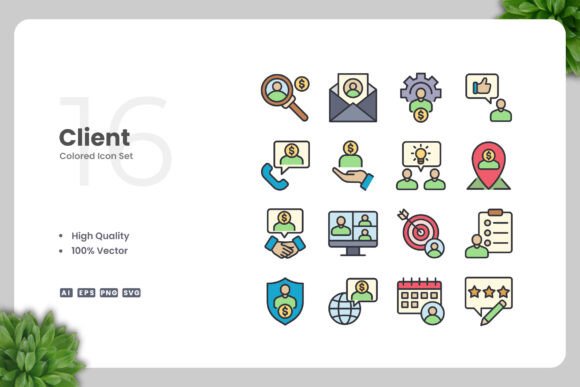
Client Color Icons offer a versatile solution for professionals and creators who need high-quality, customizable visual assets. These icons are ideal for a wide range of applications, from websites and mobile apps to social media posts, infographics, and print materials. Their clean, minimalist design ensures they fit seamlessly into any project, making them an essential tool in the creative process.
Whether you're working on a digital product, marketing campaign, or printed collateral, Client Color Icons provide a consistent and professional look. The ability to resize, recolor, and modify these icons in vector software like Adobe Illustrator or CorelDRAW makes them highly adaptable to different needs and styles.
Understanding Client Color Icons in the Design Process
Client Color Icons are more than just visual elements—they are part of a broader workflow that involves planning, execution, and refinement. Before starting a project, designers often gather resources that align with their vision and functional requirements. Client Color Icons can be integrated early in this phase to ensure visual consistency across all deliverables.
During the design process, these icons serve as building blocks that help maintain a cohesive aesthetic. They can be used alongside other design assets, such as typography, color schemes, and layout structures, to create a unified brand identity. Their simplicity allows them to complement complex designs without overwhelming the user experience.
After the initial design is complete, Client Color Icons can be revisited for updates or adjustments. Whether refining a website interface or updating a social media profile, having access to editable vector files ensures that changes can be made efficiently and without compromising quality.
Integration with Other Tools and Resources
Client Color Icons work well with a variety of design tools and platforms. Their compatibility with vector software like Adobe Illustrator and CorelDRAW means they can be easily edited and adapted to specific project needs. This level of flexibility is especially valuable when working on multi-platform projects that require consistent visuals across different mediums.
For those using design collaboration tools or project management systems, Client Color Icons can be stored and shared within team environments. This helps maintain a centralized library of assets, reducing duplication and ensuring that everyone has access to the latest versions. It also streamlines the review and approval process, as stakeholders can quickly reference and provide feedback on visual elements.
When paired with other design resources—such as fonts, illustrations, or UI kits—Client Color Icons contribute to a more structured and efficient workflow. They allow designers to focus on the bigger picture while maintaining attention to detail in every visual component.
Practical Implementation Tips
One of the key benefits of Client Color Icons is their ease of use. To get started, simply download the provided files, which include source files in AI, EPS, SVG, and PNG formats. These files can be imported into your preferred design software, where you can adjust colors, sizes, and styles as needed.
When working with these icons, it's important to consider how they will be used in different contexts. For example, a logo might require a different color scheme than a set of navigation icons. By planning ahead and organizing your icon library, you can ensure that each asset is used appropriately and consistently.
Another useful practice is to maintain a readme file that outlines the available icons, their intended uses, and any customization guidelines. This helps streamline the design process, especially when multiple people are involved in a project.
Workflow Examples and Use Cases
For web developers and designers, Client Color Icons can be incorporated into front-end development workflows. By using SVG files, developers can embed icons directly into HTML code, ensuring scalability and responsiveness across devices. This approach not only improves performance but also simplifies maintenance over time.
Marketers and content creators can benefit from the versatility of these icons when designing social media graphics, email templates, or promotional materials. The clean design allows them to stand out without distracting from the main message. Additionally, the ability to change colors makes it easy to align icons with brand guidelines or seasonal themes.
For educators and trainers, Client Color Icons can enhance presentations, infographics, and learning materials. Their simple, recognizable shapes make them effective for visual communication, helping to convey complex ideas in an accessible way.
Long-Term Use and Maintenance
Investing in high-quality design assets like Client Color Icons ensures long-term value. As projects evolve, these icons can be reused, modified, or updated to meet new requirements. This reduces the need for constant redesign and helps maintain a consistent visual language across different platforms and campaigns.
To maximize the lifespan of these icons, it's important to keep them organized and backed up. Storing them in a cloud-based repository or a dedicated design asset manager can make it easier to locate and reuse them in future projects. Regularly reviewing and updating your icon library also helps ensure that it remains relevant and aligned with current design trends.
Conclusion: Enhancing Creativity with Client Color Icons
Client Color Icons are a powerful addition to any designer’s toolkit. Their clean, customizable design makes them suitable for a wide range of applications, while their compatibility with industry-standard software ensures ease of use and adaptability. By integrating these icons into your workflow, you can streamline the design process, maintain visual consistency, and focus on delivering high-quality results.
Whether you're working on a personal project or a professional assignment, Client Color Icons offer a practical and efficient way to enhance your creative output. With the right approach, they can become an essential part of your design process, helping you achieve clarity, efficiency, and excellence in every project.